Marvin: A Bold Handwritten Font for Confident Headlines
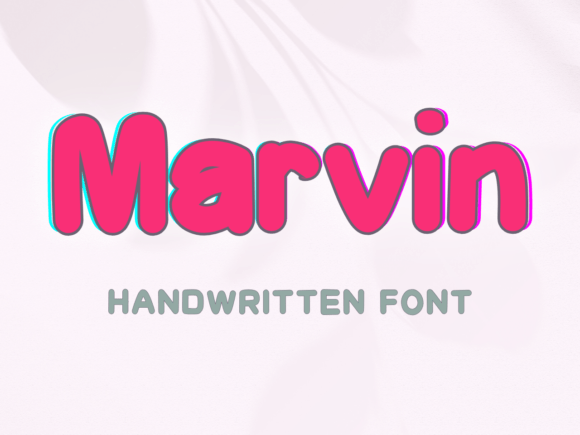
When a project calls for a typeface with genuine personality, the search often leads to fonts that feel either too casual or overly formal. Marvin occupies a compelling middle ground. It’s a gorgeous, bold handwritten font designed to inject a stylish, nostalgic character into your work. This isn't a delicate script; Marvin reads as strong, confident, and dynamic. Think of it as the typographic equivalent of a confident signature—full of life and ready to make a statement.
The Visual Voice: What Makes Marvin Stand Out
Marvin's appeal lies in its deliberate imperfections and bold strokes. The letterforms mimic the natural pressure and flow of a marker or broad-nib pen, creating a textured, human feel. Its weight gives it immediate presence, making it ideal for headlines that need to command attention without shouting. The style evokes a sense of retro authenticity, reminiscent of hand-lettered posters, vintage signage, or classic album covers. This nostalgic quality is its superpower, allowing it to add layers of warmth and character that many clean, digital fonts lack.
As a display font, Marvin’s primary role is to create impact at larger sizes. Its intricate details and personality are best appreciated when given room to breathe. At small sizes, legibility can become a challenge, so it’s typically reserved for headings, logos, and short, punchy text blocks rather than body copy. Understanding this distinction is key to using it effectively within modern typography systems.
Where Marvin Shines: Practical Applications Across Projects
This premium font is a versatile tool for a wide range of creative professionals. Its bold, handwritten nature makes it particularly well-suited for projects where personality and approachability are paramount.
- Brand Identity & Logo Design: For businesses wanting to project a friendly, artisan, or vintage vibe, Marvin can become the cornerstone of a brand identity. It works beautifully for logos, especially for coffee roasters, breweries, boutique shops, craft studios, or personal brands. It immediately sets a tone of craftsmanship and authenticity.
- Packaging & Editorial Design: On product labels, especially for gourmet foods, cosmetics, or craft beverages, Marvin adds a handcrafted feel that suggests quality. In editorial design, it can energize magazine spreads, chapter titles in books, or feature headlines in newsletters, drawing readers in with its expressive character.
- Digital & Social Media Graphics: In the fast-scrolling world of web design and social media, Marvin helps posts stand out. Use it for YouTube thumbnails, Instagram story headers, Pinterest graphics, or website hero sections. Its boldness ensures your message is seen, while its handwritten style feels personal and engaging.
- Marketing & Event Materials: From poster designs and flyer headers to event invitations and wedding stationery, Marvin brings a celebratory and informal energy. It’s a creative font choice that can make promotional materials feel more inviting and less corporate.
Designing with Impact: How Marvin Influences Your Project
Choosing a typeface like Marvin is a strategic decision that affects more than just aesthetics. It directly influences how your audience perceives and interacts with your content.
Visual Hierarchy & Readability: Marvin naturally creates a strong visual hierarchy. Its bold, distinctive appearance instantly separates headlines from supporting text. Pairing it with a clean, neutral sans serif font or a classic serif font for body copy creates a balanced and readable layout. The contrast ensures your message is both impactful and easy to digest.
Brand Perception & Recognition: Fonts carry implicit messages. Marvin communicates confidence, creativity, and a touch of nostalgia. For a brand, this can foster a perception of being approachable, authentic, and passionate. Consistent use of this typeface across your design assets—from your website to your social media graphics—builds strong visual recognition.
Audience Engagement: A handwritten font like Marvin can create an emotional connection. It feels human and personal, which can increase audience engagement. It’s particularly effective for brands targeting adults aged 20–50 who appreciate design with character and a story to tell.
A Practical Guide to Using Marvin Effectively
Integrating a display font like Marvin into your workflow requires thoughtful application. Here’s how to get the most out of it.
- Evaluate Project Fit: Before selecting Marvin, consider your project’s tone. Is it meant to be playful, vintage, or aggressively bold? Marvin excels in these areas but might not be the right fit for a minimalist tech startup or a formal legal document. Context is everything.
- Master the Font Pairing: The key to using a strong handwritten font is pairing. Avoid combining it with other highly decorative fonts. Instead, let it be the star. A simple sans serif font like Montserrat or Lato makes an excellent partner for body text, providing clarity without competing for attention. For a different feel, a timeless serif font like Lora can add a layer of sophistication.
- Review the Included Styles: Most premium fonts come with more than one style. Check if Marvin includes alternates, ligatures, or multiple weights. These features allow for more customized and unique lettering, helping you avoid a generic look.
- Test for Readability: Always test Marvin in the context of your design. View it on different screens and in print mockups. Ensure the headline remains legible at the intended size. Adjust letter-spacing or leading if needed to improve clarity.
- Understand the License: If you’re using Marvin for commercial font projects, verify the license. Ensure it covers your intended use—whether for a client’s logo, merchandise, or digital products—to avoid legal issues down the line.
In a landscape crowded with generic options, Marvin offers a chance to give your projects a distinct and memorable voice. It’s a design asset that doesn’t just display words—it conveys emotion, style, and a story. By applying it strategically, you can elevate your designs from merely functional to truly expressive.